Formation
Learning to Walk
Before failure becomes a verdict, it is often just information. Slowly, almost without anyone noticing, the impossible becomes ordinary.
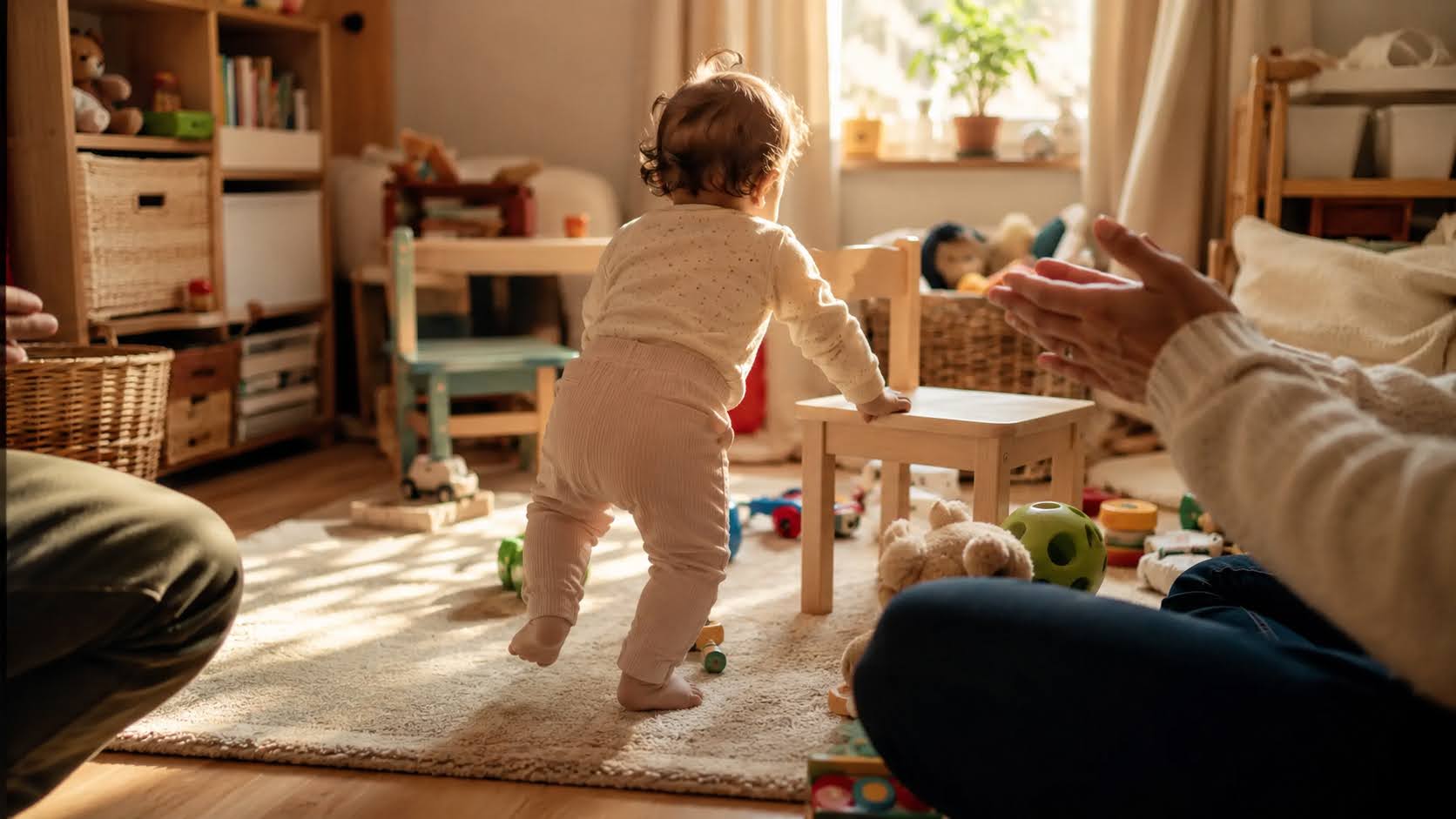
My granddaughter was learning to walk.
She was in her playroom, surrounded by toys and small pieces of furniture she could use to pull herself up. She moved carefully from one support to another, preparing for what seemed like it might finally be the moment.
Then came the smile.
It was big, enthusiastic, and full of confidence. That smile made me believe this was it. She was going to stand on her own, put one foot in front of the other, and walk across the room.
She stood, took a shaky step, and fell.
For a second, her face showed complete surprise, as though the floor had betrayed her. Then the surprise disappeared. Within moments, she was reaching for the furniture and going right back into perseverance mode.
Everyone in the room encouraged her. We smiled, clapped, called her name, and celebrated every attempt.
She did not need much convincing.
She was ready to try again.
One of the greatest lessons on resilience does not come from a CEO, an elite athlete, or a leadership expert. It comes from a one-year-old learning to walk.
A child pulls herself up, takes a shaky step, loses her balance, and falls. Then she repeats the process. There is no embarrassment or self-doubt. She does not sit among the toys and conclude, "Maybe walking just isn't for me."
She watches. Imitates. Reaches. Falls. Learns.
Slowly, almost without anyone noticing, the impossible becomes ordinary.
As adults, we often reverse the process. We fail once and begin questioning our ability. We struggle with something new and assume the struggle means we are not equipped for it. We compare our first steps to people who have been walking for years.
The toddler treats the fall as information.
The adult often treats it as a verdict.
There are times when failure should cause us to reconsider direction. Some strategies do not work, and wisdom requires discernment. But failure is not automatically evidence that we should stop.
Sometimes it means we are attempting something difficult. Sometimes it means we are developing a capability we do not yet possess. Sometimes it simply means we are learning.
No engineer learns excellence without rework. No leader learns to lead without making mistakes. No athlete builds endurance without discovering limits.
Formation is rarely clean. It often looks like standing, stepping, wobbling, falling, and getting back up.
My granddaughter was not learning alone. Everyone in the room was creating an environment where she felt safe enough to keep trying.
The best leaders do the same. They do not prevent every mistake or remove every obstacle. They stay close enough to support, wise enough to encourage, and patient enough to let someone take the next step.
One of the hardest things about adulthood is giving ourselves permission to be beginners. We like competence. We like knowing what we are doing. We like appearing capable.
But every meaningful new chapter requires some return to awkwardness.
Maybe the goal is not to become fearless.
Maybe it is to remember how to get back up before fear writes the rest of the story.
Before failure becomes a verdict, it is often just information.